Which problems does BIM solve before construction starts?
The costliest issues before construction usually hide in information, not on site: mismatched dimensions, overlapping engineering decisions, fuzzy quantities and weak change control. Building Information Modeling makes many of these risks visible earlier — visually and quantitatively.
Conflicts you can see early
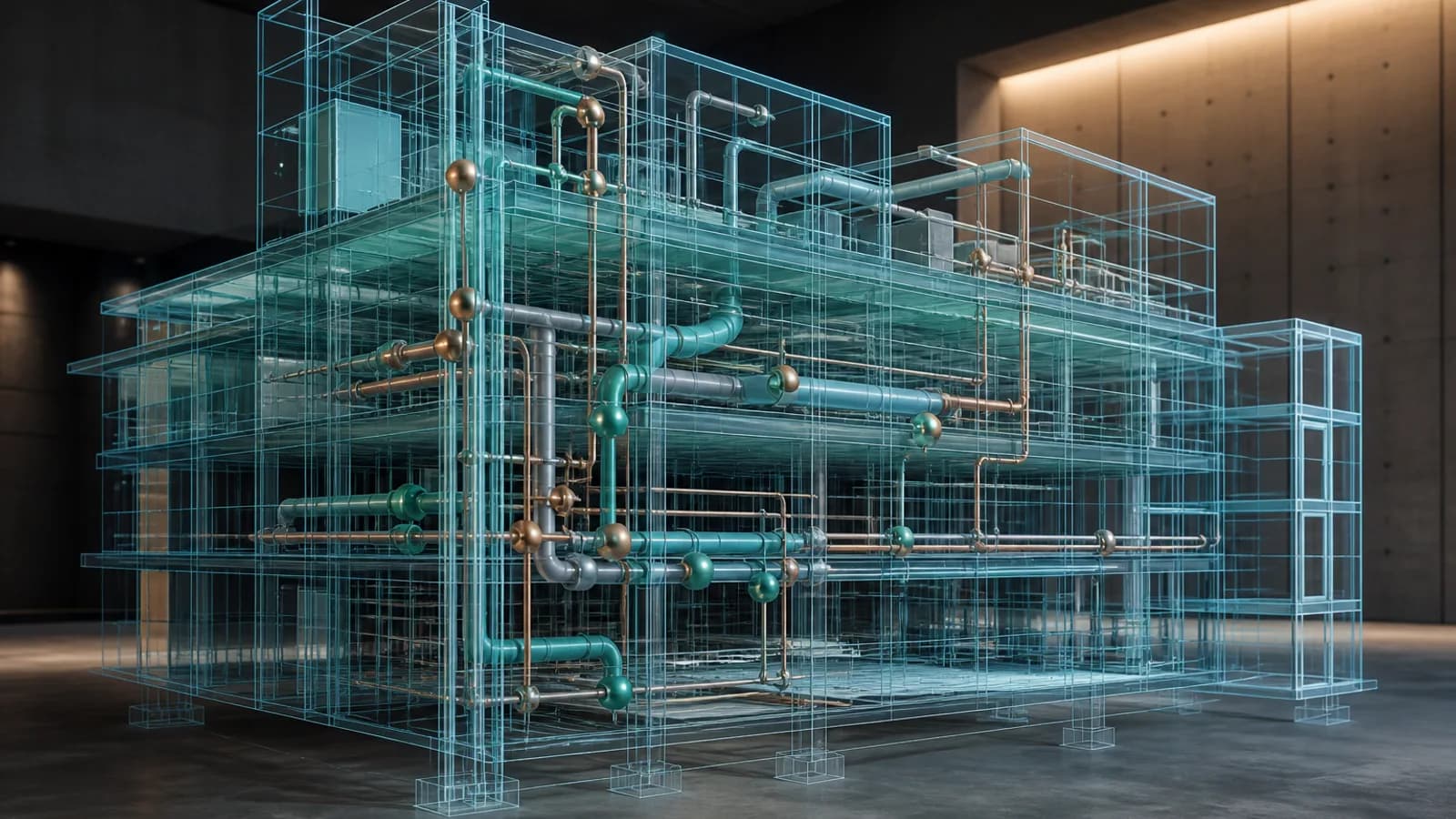
A coordinated 3D model can reveal where architecture, structure and building services collide before crews mobilise. That reduces last-minute field improvisation — but only when clash review is a real process, not a one-off export.
Clearer quantities and documentation
A BIM-led workflow supports quantities, specifications and delivery drawings from a shared data source. Tender comparison becomes easier; outcomes still depend on team discipline and agreed levels of detail.
A clearer decision trail
When changes are logged, developers and investors can follow the “why” behind decisions. That does not guarantee permits or outcomes — it simply makes project governance more transparent.
Use these questions to test early BIM value:
Which disciplines are in the model, and who owns it?
How often are clash and coordination reviews held?
Do quantities and specs refresh from the model?
Are changes versioned with a decision log?
What LOD / information level do contractors expect?