How Architecture Increases the Value of Real Estate: Distinction, Trust, and Long-Term Income
Listen to key points0:59
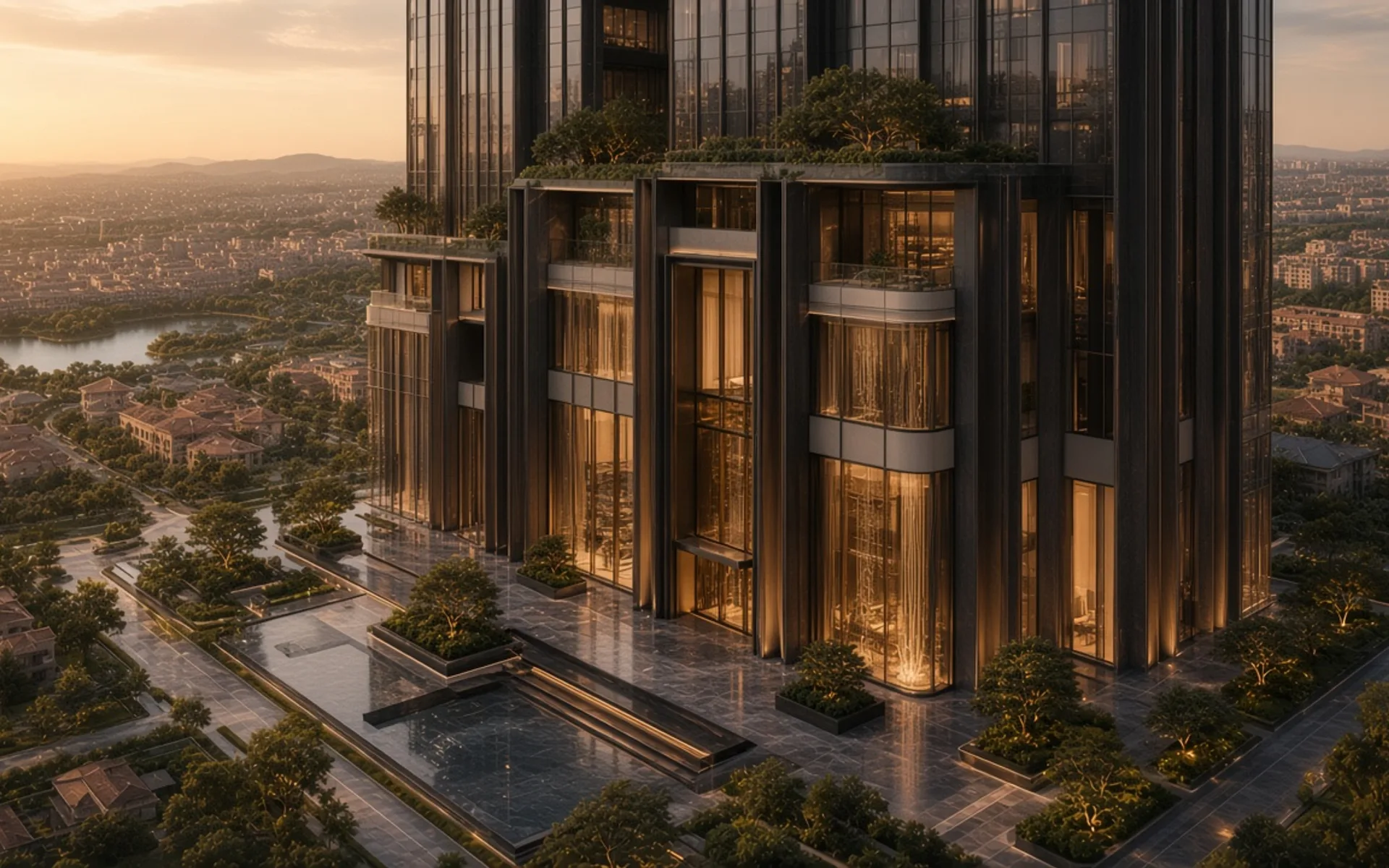
In real estate, value is typically associated with factors such as location, price, and time. Architecture, however, is often perceived as the "afterthought aesthetic" within this trio. In reality, architectural decisions directly impact a building's suitability for its site, planning efficiency, the quality of its public spaces, and its market reception. While this impact may not be the same for every project, thoughtful architecture can help differentiate a project from similar proposals and build trust.
Appropriateness to the Site Value starts with how well the project fits into its surroundings. The product type, scale, and level of service must be appropriate for the character of the environment, the nearby infrastructure, and the prospect for future development. For example, an overly conspicuous volume in a quiet residential neighborhood or poor accessibility in an area near a business center creates an unresolved mismatch.
Architecture here answers the following questions:
- how do the project's volume and silhouette fit into the existing urban fabric?
- is the access, pedestrian, and traffic connection convenient?
- are site conditions such as sun, wind, view, and sound properly utilized?
- what does the project contribute to the urban environment at street level?
Product Identity Identity is often what differentiates projects with similar technical specifications. Identity isn't just a logo or a marketing story; it's read in the language of the building, the logic of the layout, and the consistency of materials and details. A purposeful identity gives the buyer or tenant a clear answer to the question, "What does this project serve?"
Three hallmarks of a strong identity:
- **Consistency.** From the facade to the entrance, from the lobby to the layout, decisions are linked by a common logic.
- **Purpose.** Every element serves the target audience and the product's objective.
- **Local context.** The project is in dialogue with the site's climate, culture, and customs, and does not appear as an imported image.
Planning and Apartment or Site Solutions The use value of a property is shaped by its planning. Good planning makes efficient use of the space, facilitates daily movement, and allows for future adaptation. Even two apartments of the same size can differ significantly: one may offer better lighting, more logical zoning, and more usable space.
Practical points for residential and commercial spaces:
- good distribution of natural light and ventilation;
- efficient organization of hallways and service areas;
- storage and flexible use options;
- logical placement of utility shafts and service zones;
- flexible layouts with the possibility of future subdivision or combination.
Decisions made at the planning stage are difficult to change later, unlike facade decisions, so they should be aligned with the target audience at an early stage.
Public and Common Areas The entrance area, lobby, courtyard, landscaping, and common spaces shape the building's first impression and its everyday quality. These areas often do not generate direct revenue per square foot, but they have a strong impact on the project's perception and the living or working environment.
Well-designed common areas:
- create spaces where people meet, linger, and move;
- feel safe and secure, with adequate lighting;
- are practical in terms of operation and maintenance;
- strengthen the building's connection to the street and its contribution to the urban environment.
The operating cost must also be considered here: an expensive and difficult-to-maintain common area can become a burden down the line.
Façade and Exterior Appearance The facade is the most visible part of the project, and it is often where the first assessment begins. However, the value of the facade is not measured solely by its visual impact. Adaptation to the climate (shading, thermal performance), durability, ease of maintenance, and the way it ages are crucial for the long-term perception of quality.
A thoughtful facade:
- expresses the project's identity, but is not overly dependent on trends;
- looks good for a long time and has predictable maintenance needs;
- contributes to thermal and visual comfort;
- aligns with the expectations of the target audience.
A facade that is quickly worn or difficult to maintain may make a good first impression, but in the following years, it can become a burden both in terms of cost and image.
Perception of Quality A buyer or tenant assesses quality not so much from technical documentation, but through direct experience: the entrance, the door, the lighting, sound insulation, the feel of the materials, the precision of the details. The perception is formed from these small details and affects the project's credibility. Here, a mismatch between the marketing promise and the actual quality can damage trust.
The recommended approach is to pre-select the quality points to emphasize and execute them consistently: instead of making everything expensive, focus on the areas the user interacts with most.
Market Viability Market cycles change, and demand can be volatile. Differentiated, well-planned, and well-maintained projects can have an advantage in holding their own in difficult market conditions—but this is not a guarantee. The value of real estate also depends on the location, general economic conditions, and appraisal and financing terms.
Factors that contribute to architectural sustainability:
- flexible planning to allow for future change of use;
- sustainable materials and predictable maintenance;
- low operating costs with good energy and comfort performance;
- a clear and recognizable project identity.